0M+
Battery Waste / Year (tons)
0%
Formal Recycling Rate
0+
States Covered
0K
Tons COâ‚‚ Offset / Year
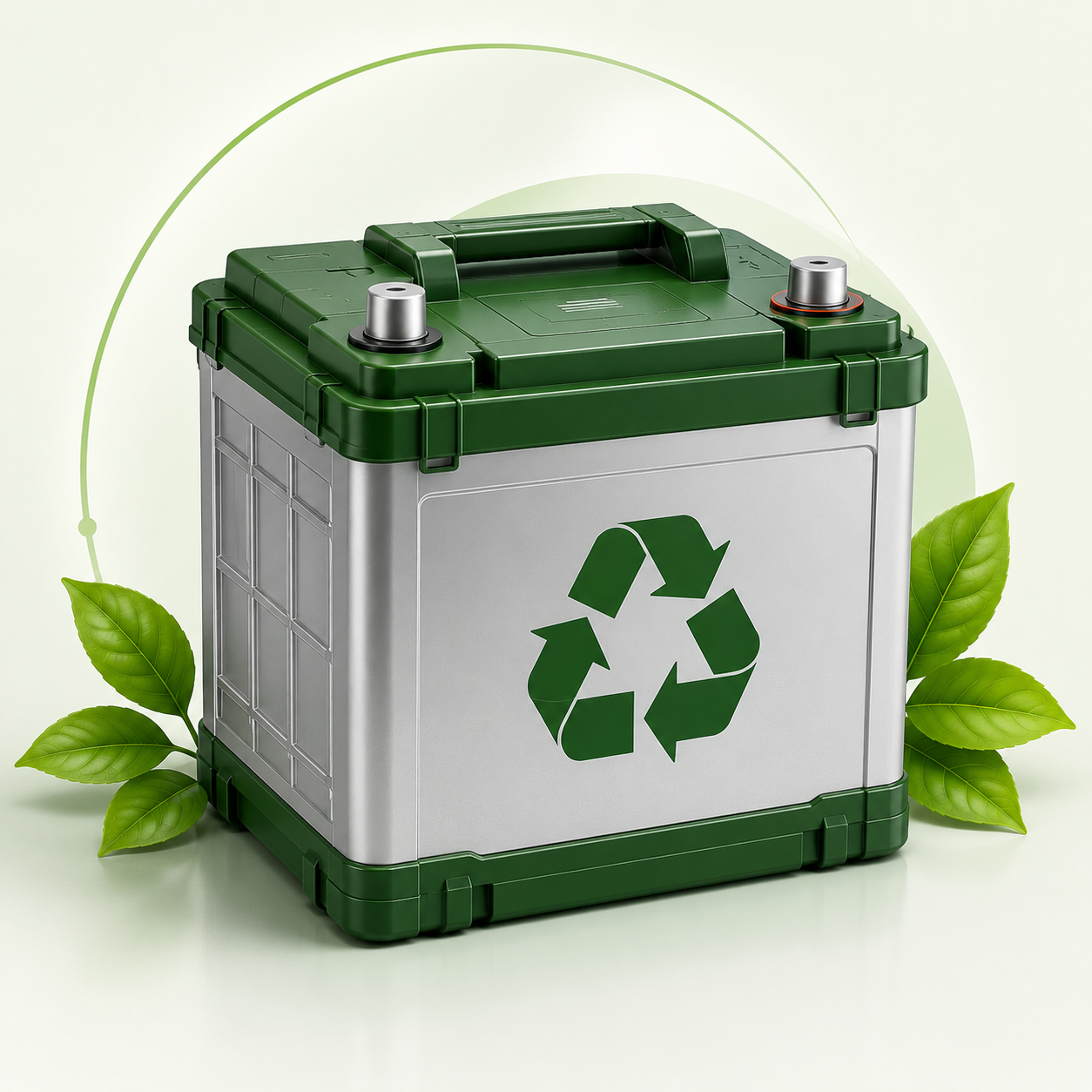
Rigid package battery.
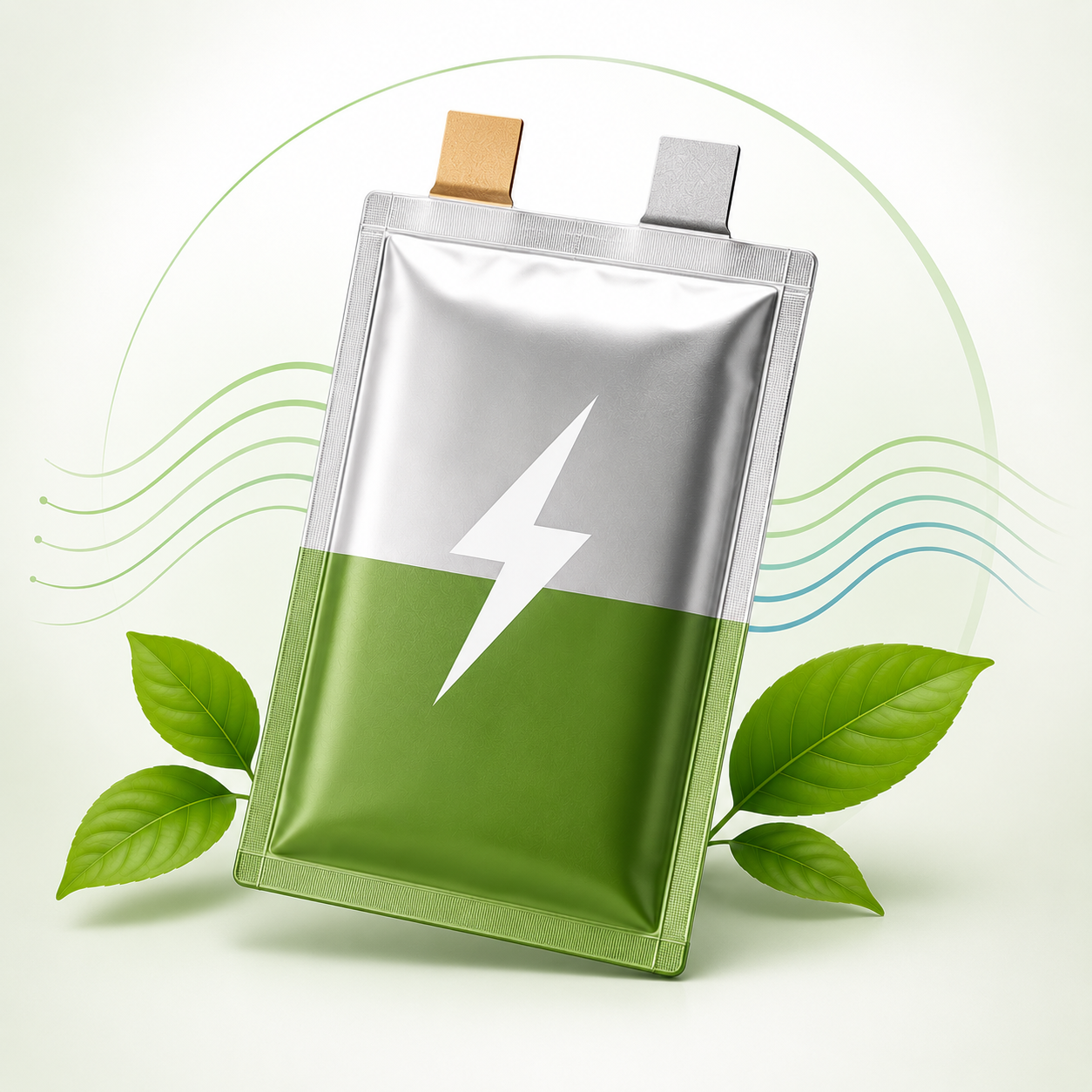
Flexible battery packaging of single layer or multilayer (more than one layer with different types of battery).

Multilayered battery packaging (at least one layer of battery and at least one layer of material other than battery).
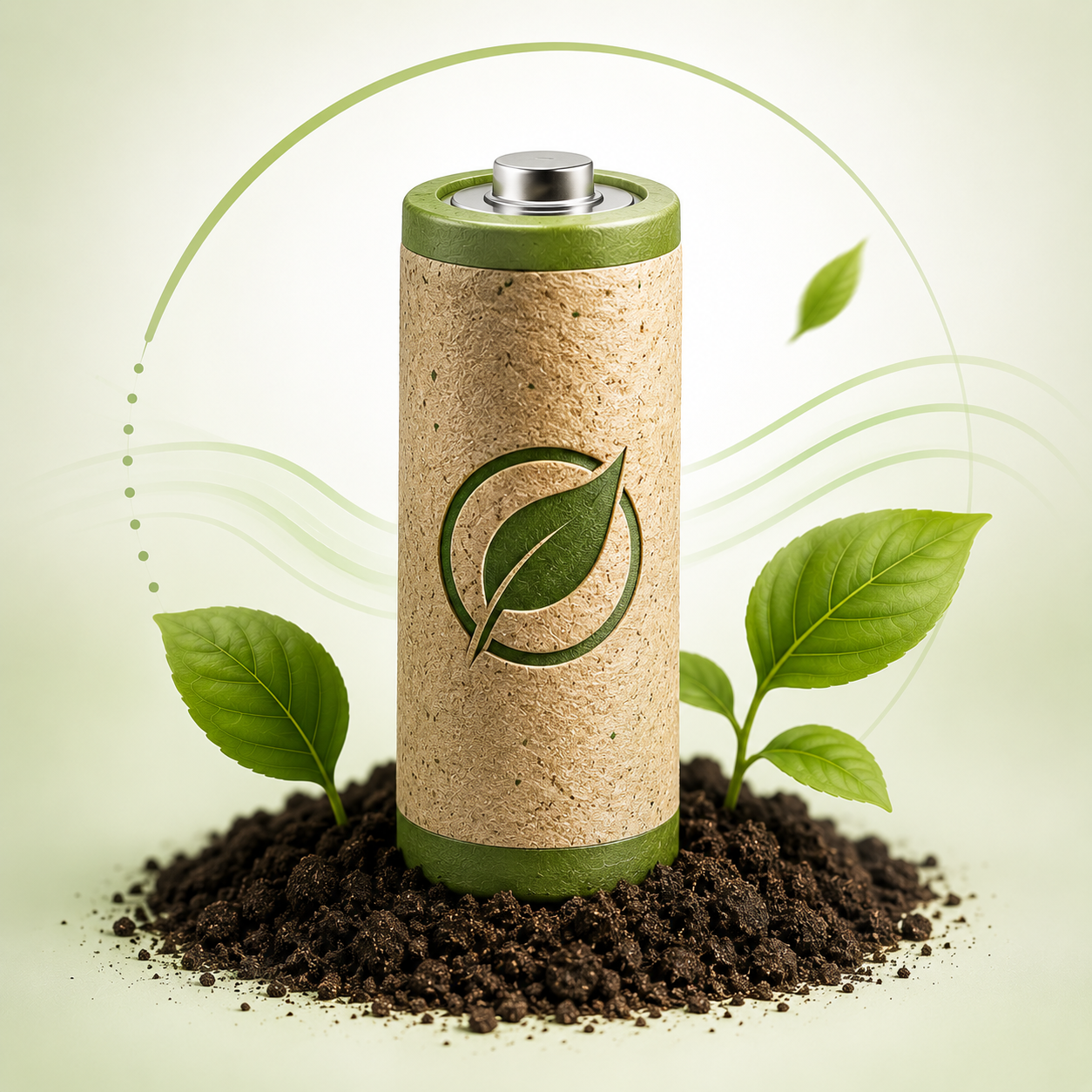
Plastic sheet or like used for packaging as well as carry bags made of compostable batterys.
Every battery producer, importer, and brand owner must register with the Central Pollution Control Board (CPCB) under the Battery Waste Management Rules, 2022.
Mandatory collection of 40% of battery waste by weight in the first year, scaling up to 70% by 2026, and 90% by 2028.
Quarterly returns, annual compliance reports, and third-party audits to ensure complete traceability from collection to recycling and safe disposal.
Producers are responsible for the entire lifecycle—from collection and sorting to recycling, recovery of critical minerals, and environmentally sound disposal of residues.
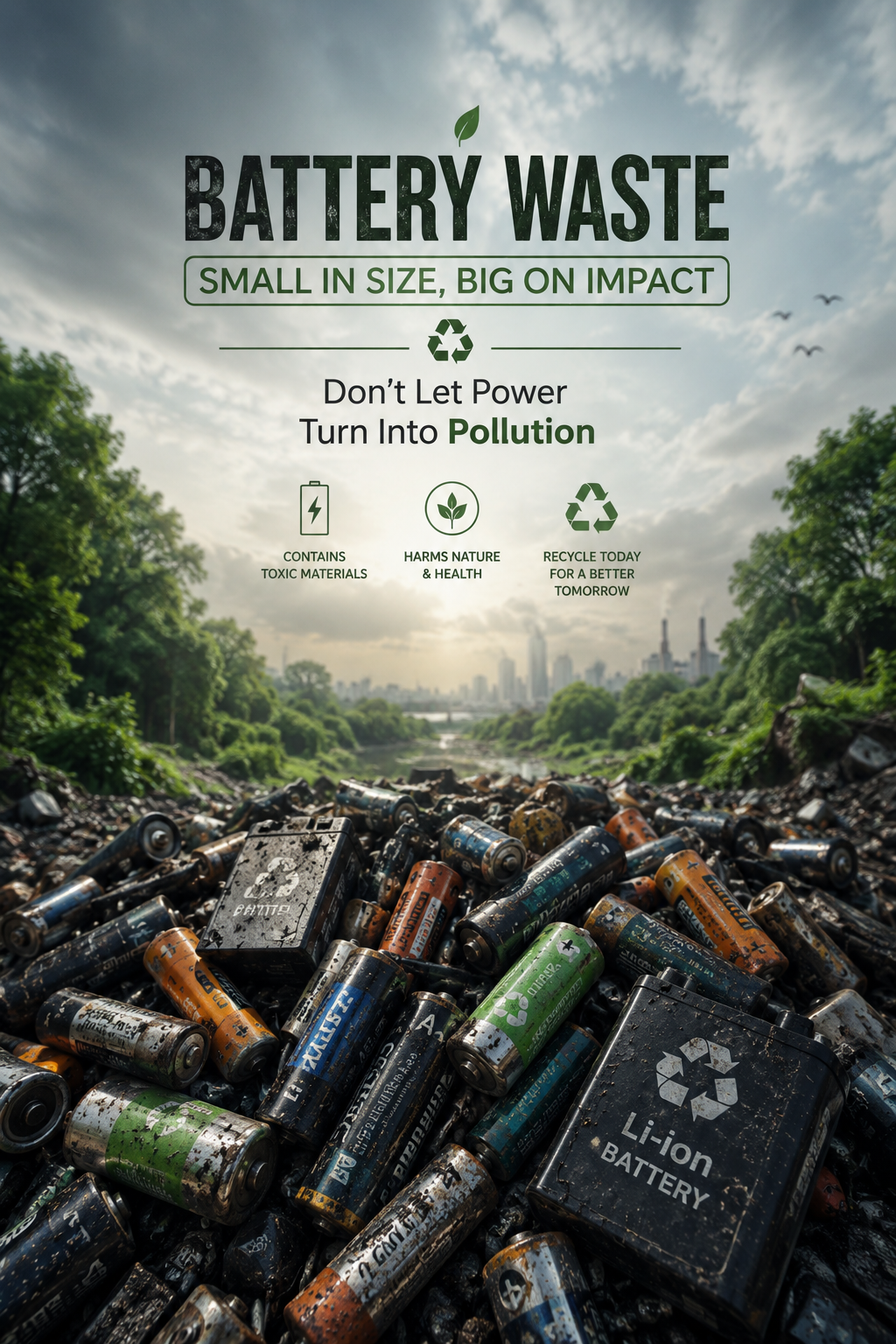
Scroll through our end-to-end battery recycling value chain.
Aggregating end-of-life batteries from EVs, consumer electronics, industrial backup, and municipal sources across India.
LogisticsBattery chemistry identification (Li-ion, NiMH, Lead-acid) and safe deep-discharging to eliminate fire/explosion risks.
Safety & SortingMechanical dismantling to separate casings, electronics, and active materials, followed by shredding under inert atmosphere.
MechanicalPyrometallurgical smelting or hydrometallurgical leaching to extract lithium, cobalt, nickel, manganese, and graphite.
Chemical / ThermalBattery-grade salts, precursor materials, and recycled plastics sent back to cell manufacturing and other industries.
Closed-LoopLithium carbonate and hydroxide recovered from Li-ion cathodes, essential for new EV batteries and energy storage.
High-purity cobalt and nickel sulphate for cathode precursor production, reducing import dependency.
Recovered anode graphite and manganese oxide for battery and steel applications, closing the material loop.
ABS and PP recovered from battery casings, reused in automotive parts, electronics, and new battery housings.
India generates over 2.1 million tonnes of battery waste annually, with Li-ion volumes growing exponentially due to the EV boom. EPR compliance is not just an environmental necessity—it is strategic for securing India's critical mineral supply chain.
Don't wait until the deadline. Prepare now to avoid severe penalties, regulatory audits, and business disruptions. Let our experts handle it.
Many PIBOs underestimated the time required to collect, validate, and categorize packaging data. Those who began early met deadlines with confidence.
💡 Engage data owners early
EPR fees are now a measurable line item. Collaboration between sustainability, legal, and finance is critical.
💡 Align budgets & cycles
Many producers struggled with inaccurate weights or missing supplier data, leading to massive financial risks.
💡 Use 3rd-party expert reviews
Multi-brand companies face challenges consolidating packaging data across varying material types and categories.
💡 Require a customized data model
We combine deep local logistics, advanced recycling technology, and CPCB-compliant reporting to make your EPR journey seamless and profitable.