0M+
Used Oil Generated / Year (tons)
0%
Formal Recycling Rate
0+
States Covered
0K
Tons COâ‚‚ Offset / Year
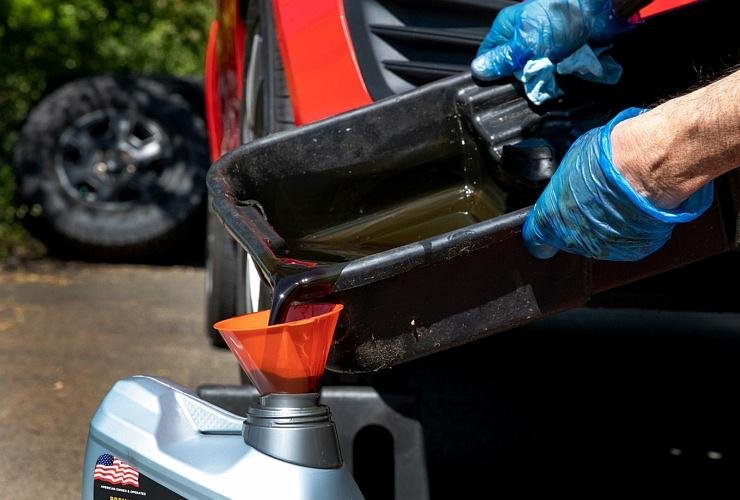
Engine crankcase oils, transmission fluids, and gear oils that pick up metal particles, water, and chemical additives through use.
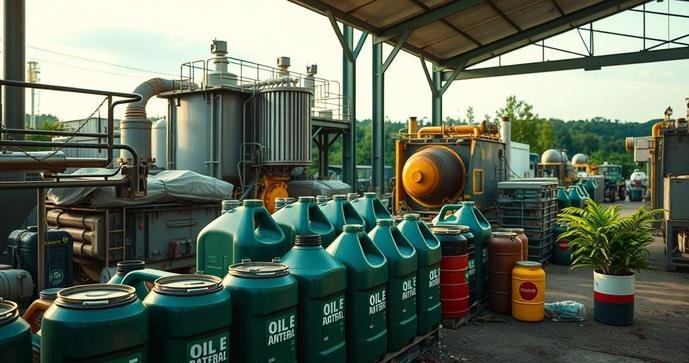
Hydraulic fluids, turbine oils, compressor oils, and metalworking fluids used in manufacturing.
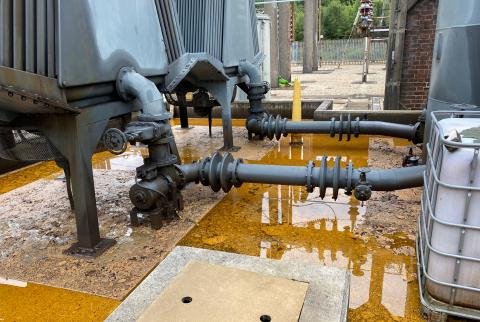
Insulating oils used in capacitors and transformers; these require special handling due to the potential for toxic PCB contamination.
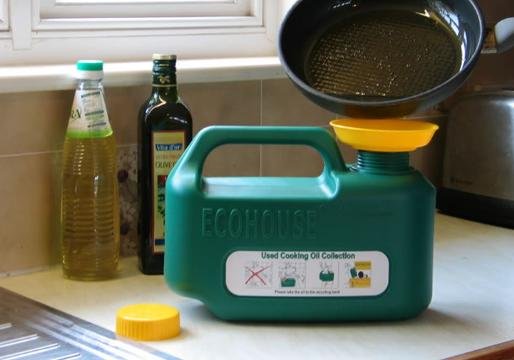
Fats and vegetable oils from commercial kitchens; although non-toxic, they are regulated to prevent sewer blockages and are often converted into biodiesel.
Every lubricant oil producer, importer, and brand owner must register with the CPCB / SPCB under the Hazardous and Other Wastes (Management and Transboundary Movement) Rules, 2016.
Mandatory collection of 50% of used oil generated by weight in the initial phase, scaling up to 90% in subsequent compliance cycles.
Quarterly returns, annual compliance reports, and third-party audits to ensure complete traceability—from collection to re-refining or co-processing.
Producers are responsible for the entire lifecycle—from collection, storage, and transport to re-refining, energy recovery, and safe disposal of oily sludges.
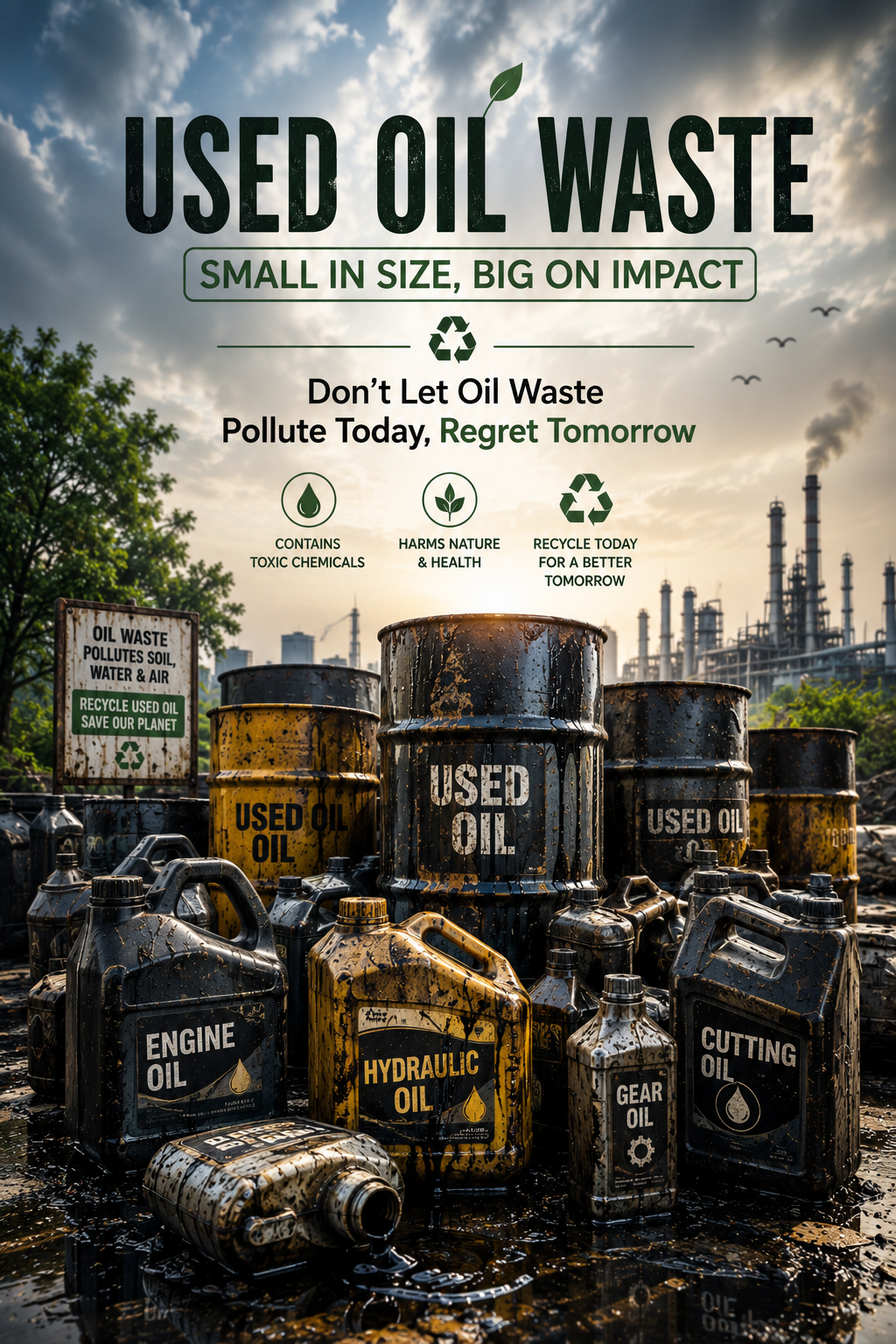
Scroll through our end-to-end used oil re-refining value chain.
Aggregating used lubricating oil from automotive workshops, service stations, industrial machinery, and defence establishments across India.
LogisticsSafe storage in bunded tanks, segregation by viscosity/contamination level, and initial testing to determine the best treatment path.
Safety & QCDe-watering, filtration, and chemical treatment to remove suspended solids, metals, and water content before re-refining.
Physical/ChemicalVacuum distillation, hydro-treating, and clay polishing to produce high-quality Group I / Group II base oils equivalent to virgin grades.
Thermal/CatalyticRe-refined base oils, light distillates, and recovered additives are sent back to lubricant formulators and downstream industries.
Closed-LoopHigh-viscosity Group I & II base oils, chemically identical to virgin grades, used in automotive and industrial lubricants.
Recovered light and heavy fuel oils used in industrial boilers, cement kilns, and marine applications as a cleaner alternative.
Recovered additive packages and intermediate chemical fractions reused in metalworking fluids and grease formulations.
Heavy residue from distillation processed into high-quality bitumen for road construction and waterproofing applications.
India generates over 1.5 million tonnes of used lubricating oil annually. With rapid industrialization and vehicle growth, EPR compliance is critical for preventing soil/water contamination, conserving crude oil, and building a circular lubricant economy.
Don't wait until the deadline. Prepare now to avoid severe penalties, regulatory audits, and business disruptions. Let our experts handle it.
Many PIBOs underestimated the time required to collect, validate, and categorize packaging data. Those who began early met deadlines with confidence.
💡 Engage data owners early
EPR fees are now a measurable line item. Collaboration between sustainability, legal, and finance is critical.
💡 Align budgets & cycles
Many producers struggled with inaccurate weights or missing supplier data, leading to massive financial risks.
💡 Use 3rd-party expert reviews
Multi-brand companies face challenges consolidating packaging data across varying material types and categories.
💡 Require a customized data model
We combine deep local logistics, advanced recycling technology, and CPCB-compliant reporting to make your EPR journey seamless and profitable.