0M+
E-Waste Generated / Year
0%
Formal Recycling Rate
0+
States Covered
0K
Tons COâ‚‚ Offset / Year
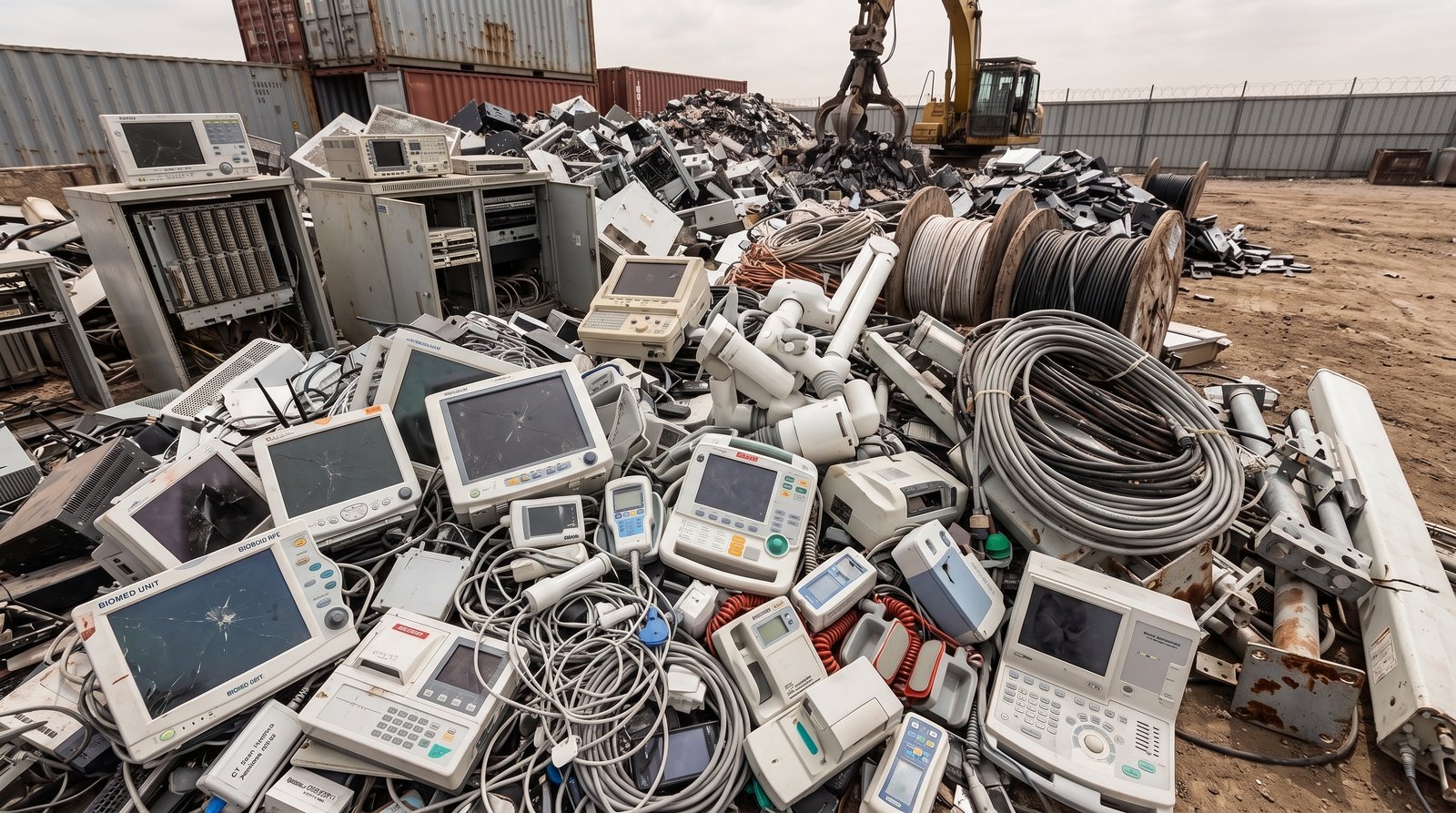
Computers, servers, laptops, and IT peripherals.
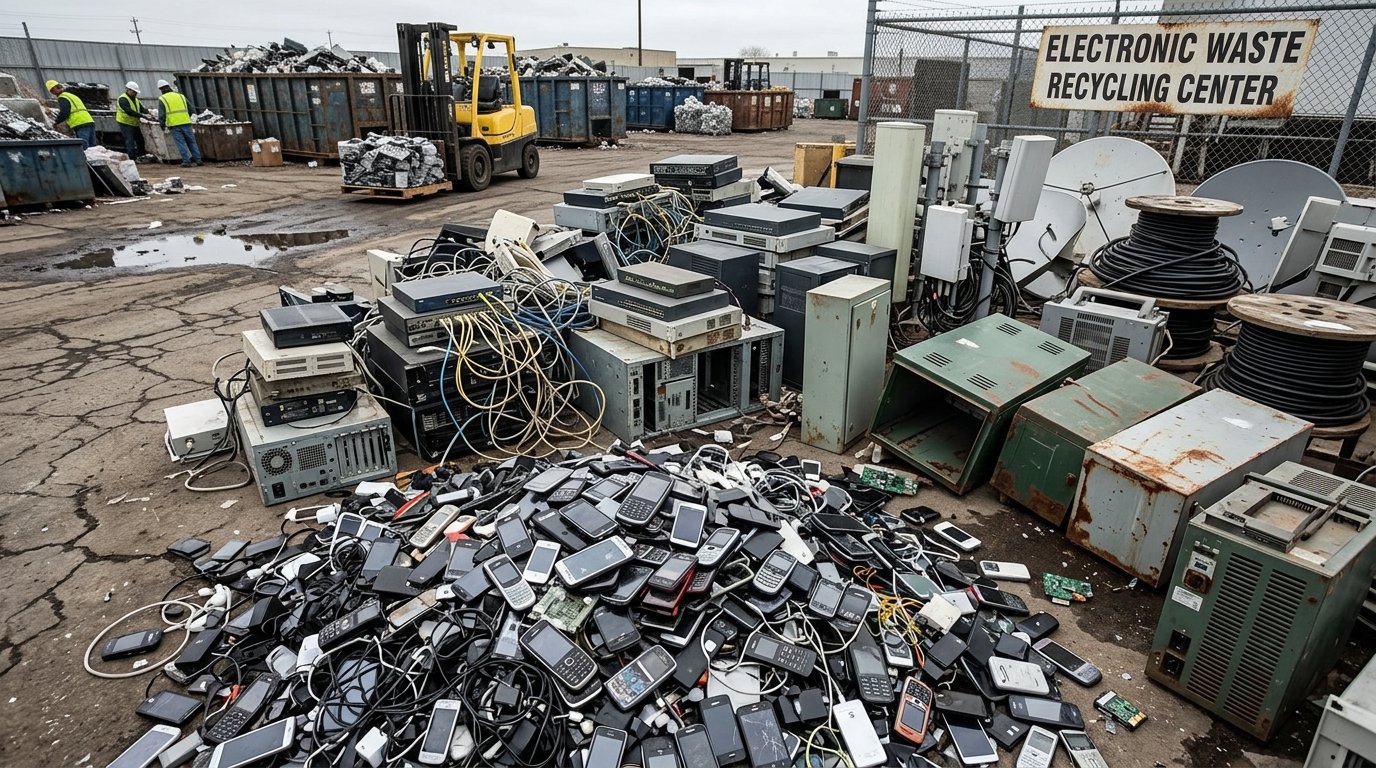
Mobile phones, networking gear, and telecom setups.
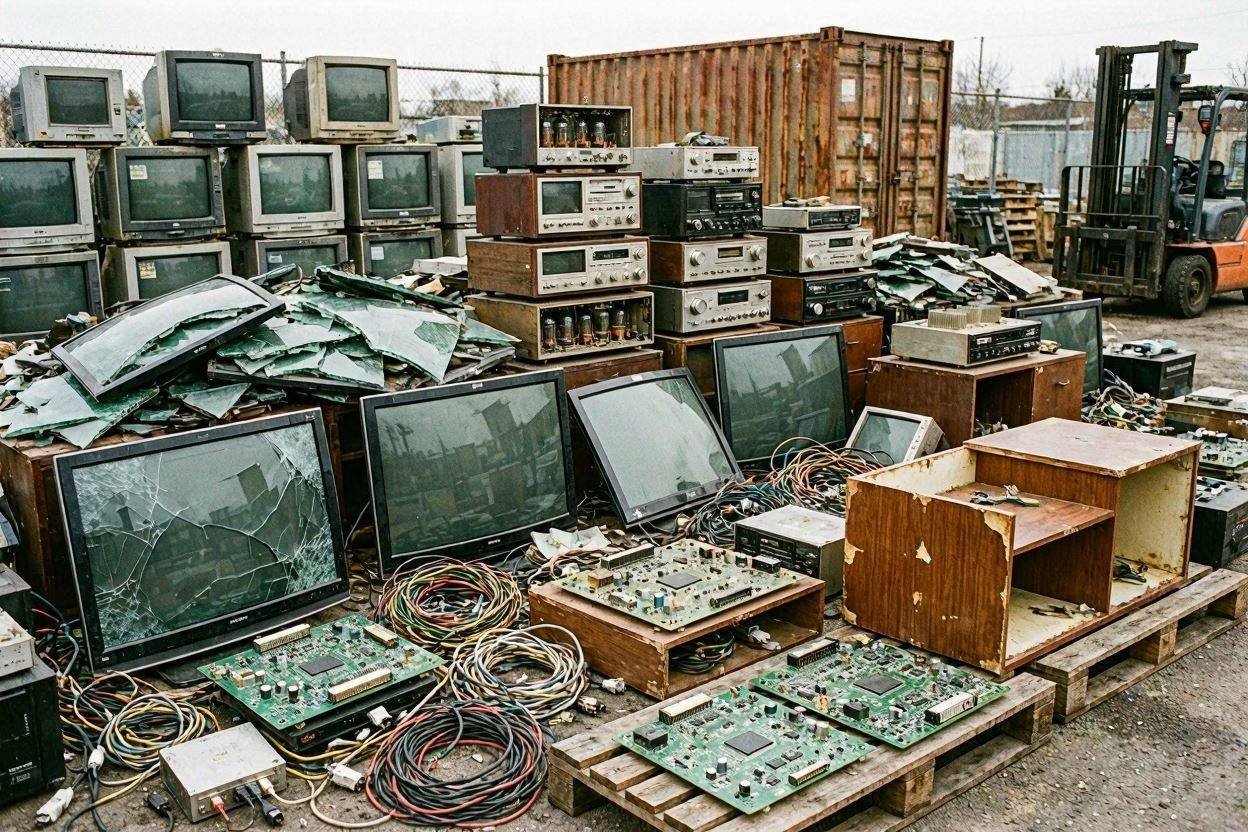
Televisions, audio systems, and entertainment units.
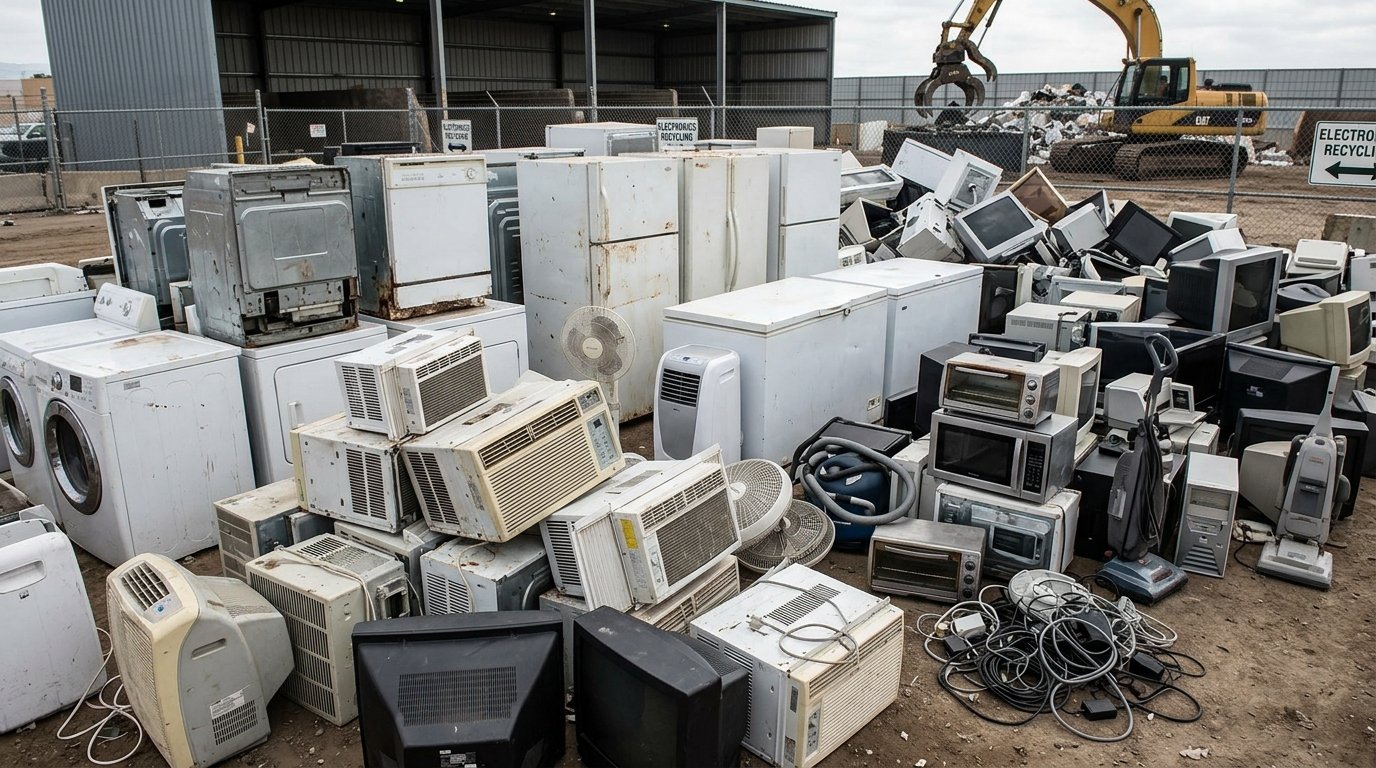
Home appliances, cooling devices, and smaller electronics.
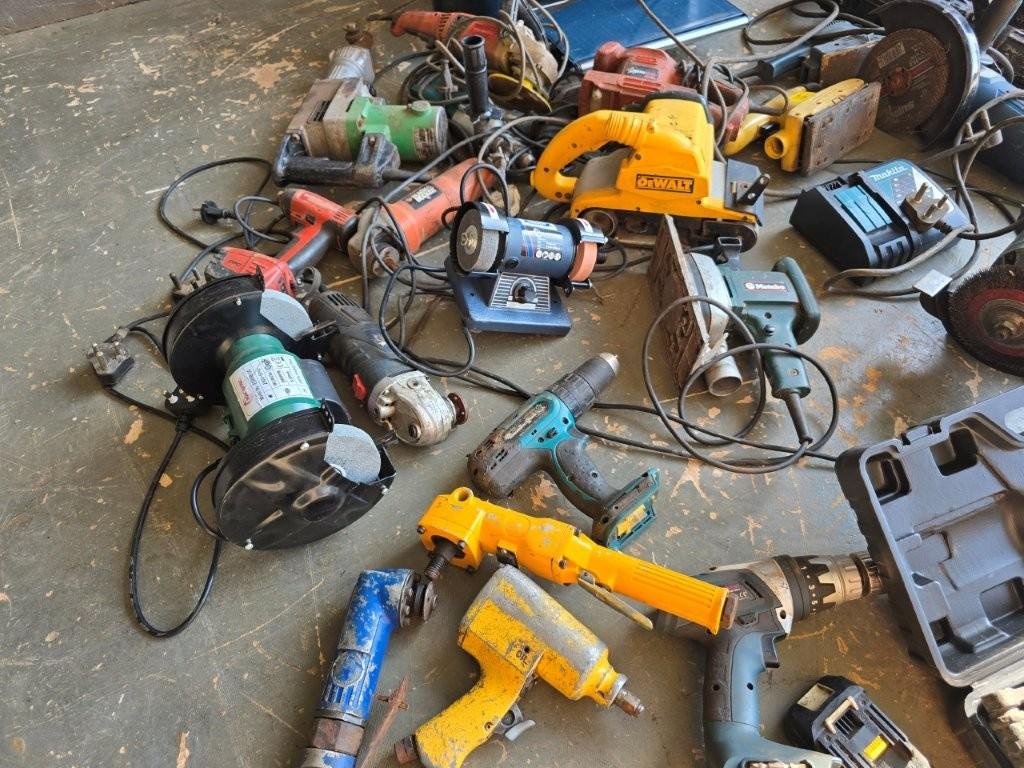
Drills, saws, sewing machines, and power tools.
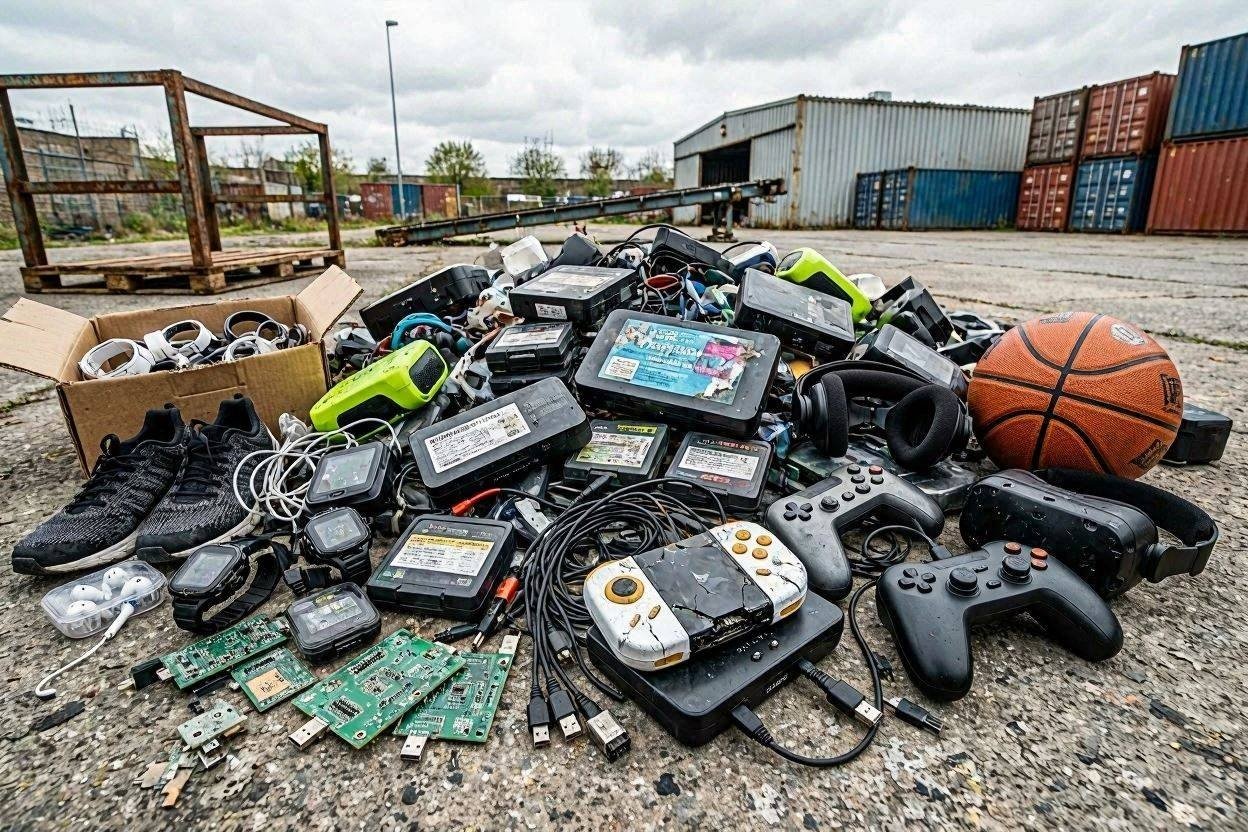
Electronic toys, gaming consoles, and smart sports gear.
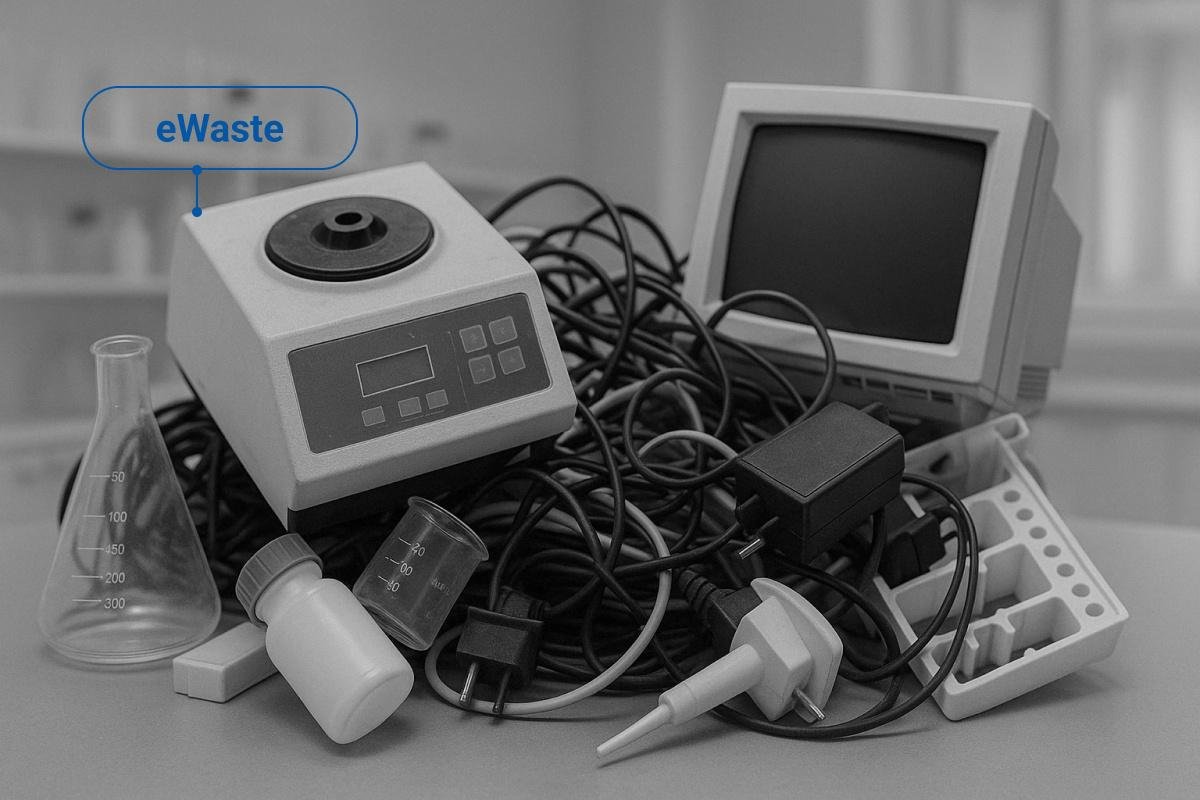
Diagnostic equipment, monitoring tools, and healthcare tech.
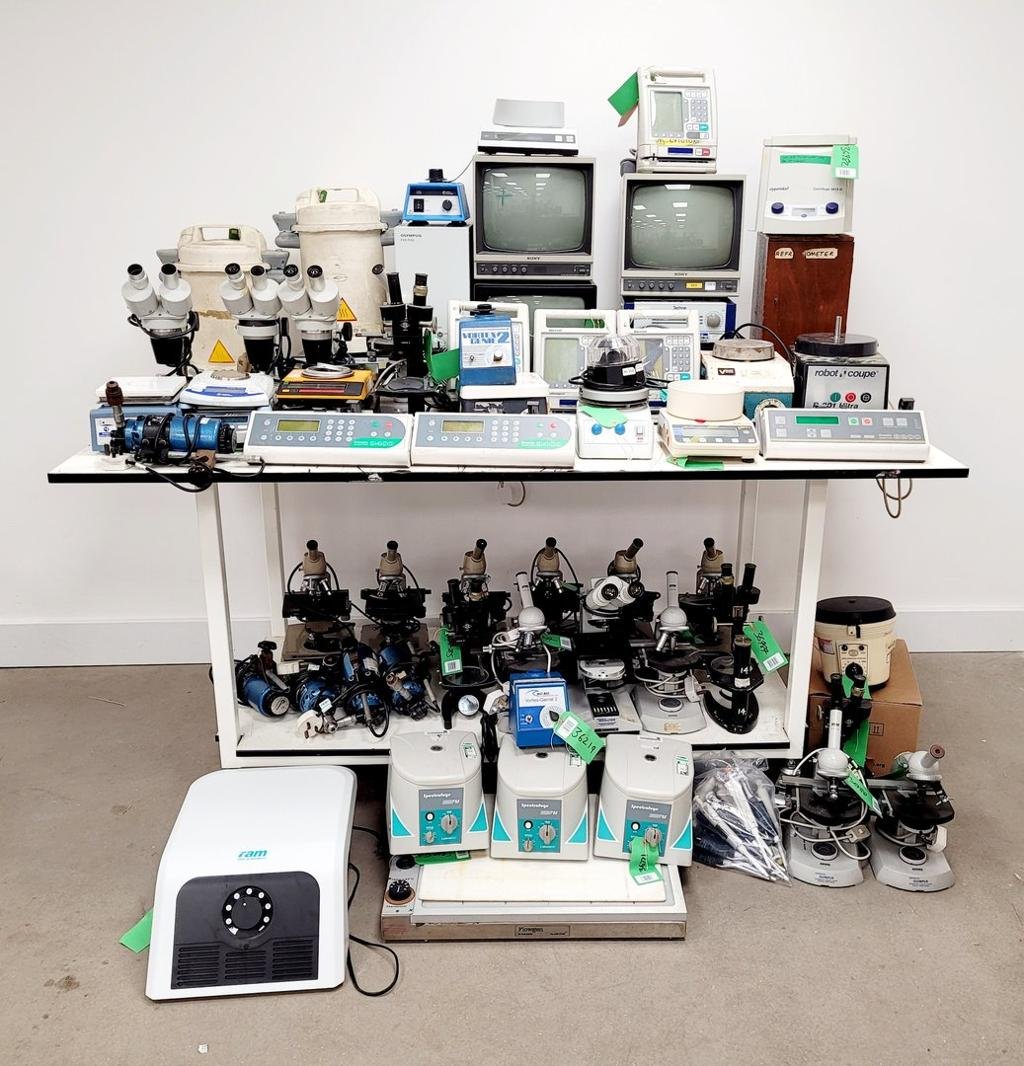
Testing devices, analysis tools, and specialized lab equipment.
Every electronic producer, importer, and brand owner must register with the Central Pollution Control Board (CPCB) under the E-Waste (Management) Rules.
Mandatory collection of 30% of the e-waste generated by weight, gradually increasing to 70% by 2028 as per CPCB phase-wise targets.
Quarterly returns, annual compliance reports, and third-party audits to ensure complete transparency and accountability across the e-waste value chain.
Producers are responsible for the entire lifecycle—from collection and disassembly to recovery of precious metals, plastics, and safe disposal of hazardous fractions.
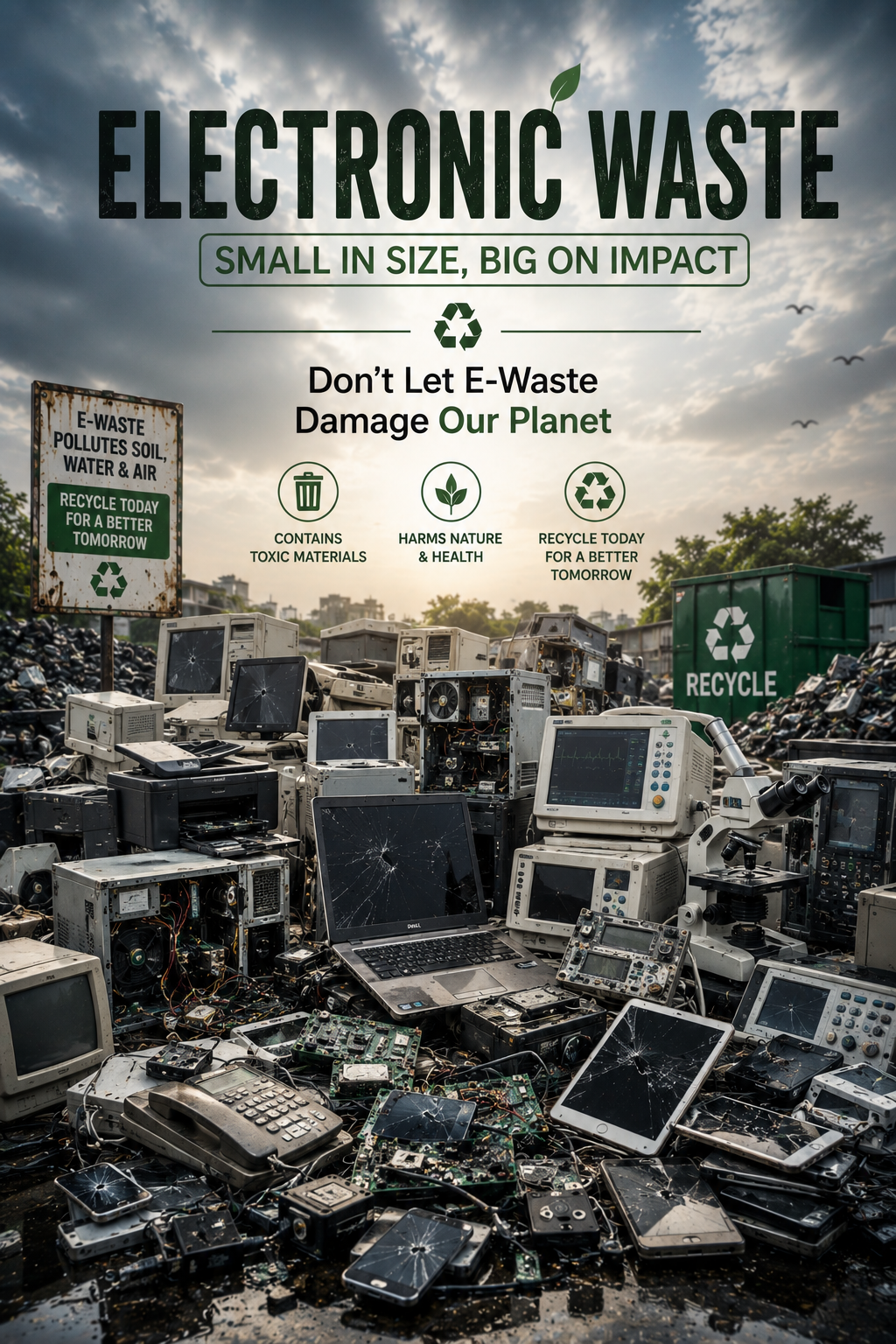
Scroll through our end-to-end e-waste recycling value chain.
Aggregating end-of-life electronics from consumers, businesses, and municipal collection centres across India.
LogisticsManual and automated segregation by category (IT, consumer, telecom) and safe removal of hazardous components.
MechanicalShredding, grinding, and separation of ferrous, non-ferrous, plastics, and precious metals via density & magnetic methods.
Material RecoveryPyrometallurgy, hydrometallurgy, or bio-leaching to extract high-purity gold, silver, copper, and rare earth elements.
Chemical / ThermalRefined metals, recycled plastics, and safe-to-landfill residues—closing the loop for electronics manufacturing.
Closed-LoopGold, silver, platinum, and palladium recovered from PCBs and connectors for re-use in new electronics.
Copper, aluminium, and steel from cables, frames, and motors, sent to secondary smelters.
ABS, PC, and HIPS granules from casings and parts for new electronic housings and automotive components.
Lithium, cobalt, nickel, and manganese from Li-ion batteries, critical for India's EV and energy storage ambitions.
India generates over 3.2 million tonnes of e-waste annually, making it the third-largest e-waste generator globally. With rapid digitization and a booming electronics market, EPR compliance is critical for resource security and environmental health.
Don't wait until the deadline. Prepare now to avoid severe penalties, regulatory audits, and business disruptions. Let our experts handle it.
Many PIBOs underestimated the time required to collect, validate, and categorize packaging data. Those who began early met deadlines with confidence.
💡 Engage data owners early
EPR fees are now a measurable line item. Collaboration between sustainability, legal, and finance is critical.
💡 Align budgets & cycles
Many producers struggled with inaccurate weights or missing supplier data, leading to massive financial risks.
💡 Use 3rd-party expert reviews
Multi-brand companies face challenges consolidating packaging data across varying material types and categories.
💡 Require a customized data model
We combine deep local logistics, advanced recycling technology, and CPCB-compliant reporting to make your EPR journey seamless and profitable.